
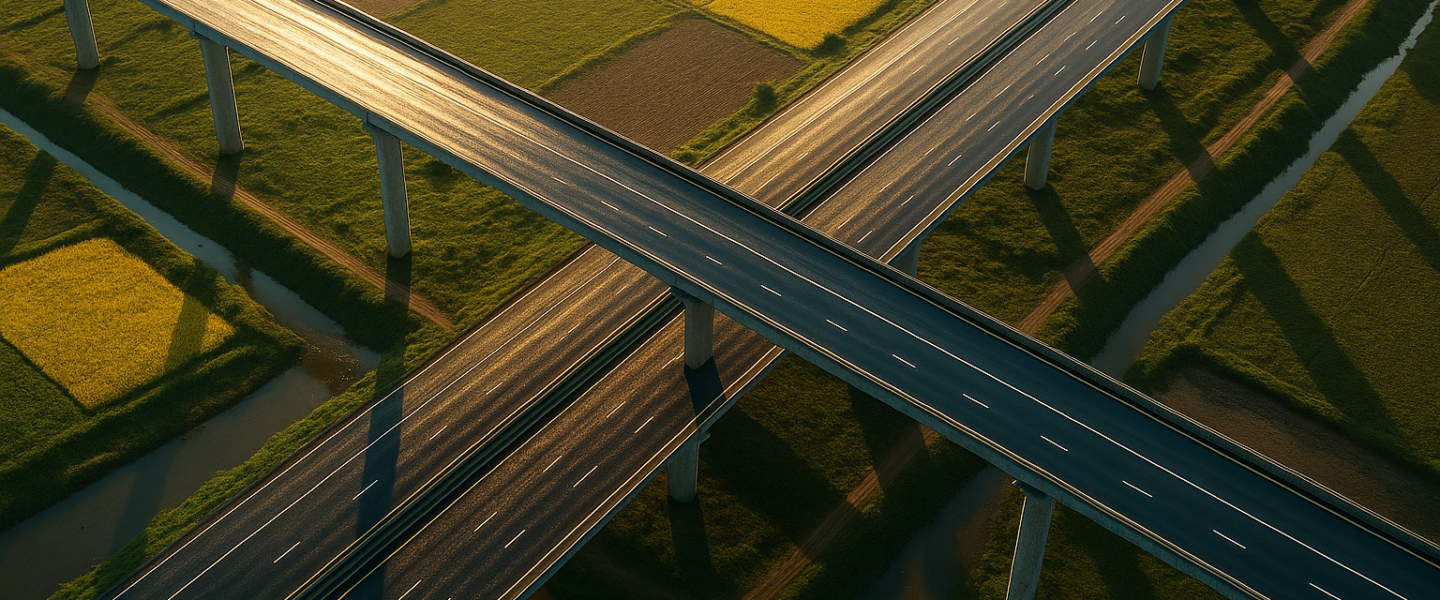
Top 10 Most Expensive Expressways in India
As infrastructure continues to shape the economic landscape of India, understanding the financial implications of major expressway projects is crucial for travelers, logistics companies, and investors alike. The most expensive expressways often come with enhanced features, reduced travel times, and significant economic benefits for the regions they connect. This list highlights the top ten most expensive expressways in India, showcasing their costs, lengths, and the states they link.
1. Delhi-Mumbai Expressway
This ambitious project spans approximately 1,380 kilometers and features six lanes, designed to facilitate seamless travel between the national capital and Mumbai. The expressway is expected to significantly reduce travel time and enhance trade between northern and western India. Implemented by NHAI, this expressway is a crucial component of the Delhi-Mumbai Industrial Corridor.
2. Mumbai-Pune Expressway
The Mumbai-Pune Expressway, stretching 94.5 kilometers, is India’s first six-lane concrete, high-speed expressway. Its construction has drastically cut down travel time between the two major cities, boosting tourism and commerce. Managed by the Maharashtra State Road Development Corporation, it is a vital artery for economic activities in the region.
3. Yamuna Expressway
Connecting Greater Noida to Agra, the Yamuna Expressway is roughly 165 kilometers long and supports six lanes. This expressway has greatly enhanced connectivity to the Taj Mahal, promoting tourism and local businesses. Developed by the Yamuna Expressway Industrial Development Authority, it plays a pivotal role in the economic upliftment of the surrounding areas.
4. Eastern Peripheral Expressway
Spanning 135 kilometers around Delhi, this expressway is designed to decongest traffic in the national capital region. With a six-lane configuration, it facilitates smoother logistics and transportation, significantly impacting regional trade. The project is overseen by NHAI and has been a critical component of Delhi’s urban planning strategies.
5. Bangalore-Mysore Expressway
This 117-kilometer expressway connects Bangalore to Mysore and features six lanes. It aims to improve the flow of goods and travelers between these key urban areas, fostering economic growth. The project is a public-private partnership, showcasing the collaborative efforts in India’s infrastructure development.
6. Vadodara-Mumbai Expressway
At approximately 400 kilometers, this expressway is a vital link between Gujarat and Maharashtra. The six-lane road significantly reduces travel time, enhancing commerce between the two states. Managed by NHAI, it is crucial for the movement of goods and services in western India.
7. Chennai-Bangalore Expressway
This expressway stretches about 330 kilometers and features six lanes, linking two of South India’s major cities. The project is expected to improve trade and tourism significantly. Developed under the National Highways Development Project, it enhances connectivity and economic growth in the region.
8. Pune-Nashik Expressway
Connecting Pune and Nashik, this expressway is approximately 170 kilometers long, featuring six lanes. It has improved access to the wine regions of Nashik, boosting local tourism and agriculture. The project is a key element of Maharashtra’s road infrastructure strategy.
9. Gorakhpur Link Expressway
Spanning 91 kilometers, this project connects Gorakhpur with the eastern and western parts of Uttar Pradesh. Featuring four lanes, it is designed to enhance trade and travel in the region. The expressway is expected to bring significant economic development, particularly in the agricultural sector. Learn more about the Gorakhpur Link Expressway here.
10. Jaipur-Delhi Expressway
This expressway covers about 280 kilometers and features six lanes. It plays a crucial role in facilitating trade and tourism between Rajasthan and Delhi. Managed by NHAI, it is a significant contributor to the economic development of the region.
In conclusion, the most expensive expressways not only represent significant investments in infrastructure but also promise substantial economic benefits for the regions they serve. By improving connectivity, these expressways enhance trade and bolster local economies. For more detailed corridor data and insights, explore Expressway91.
Frequently Asked Questions
What defines an expressway as expensive?
An expressway is considered expensive based on its construction cost, materials used, and the technology implemented in its development and maintenance.
How do expressways impact local economies?
Expressways improve connectivity, reduce travel times, and promote trade, leading to increased business opportunities and economic growth in the surrounding areas.
Where can I find more information on expressways in India?
For comprehensive data and updates on expressways in India, visit the official NHAI website.
Infrastructure analysts tracking India's expressway network, industrial corridors, and investment zones since 2020. Data sourced from NHAI, MoRTH, UPEIDA and official project reports.
Leave a Reply