
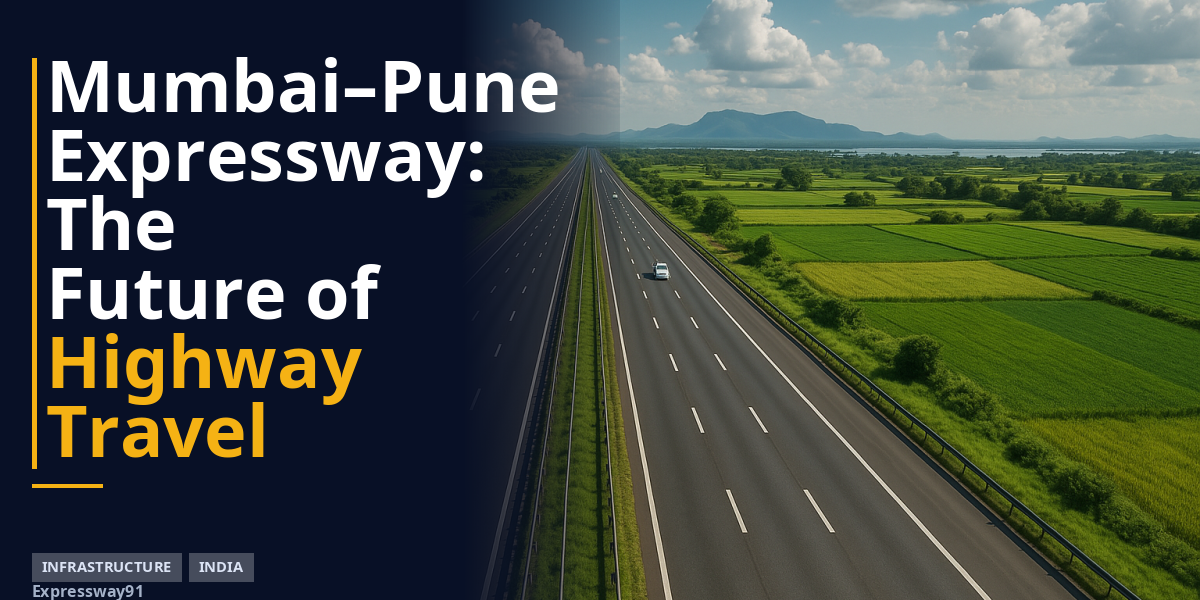
The Mumbai–Pune Expressway: Pioneering the Future of Highway Travel
The Mumbai–Pune Expressway has long been regarded as one of India’s most iconic highways, connecting two of the country’s major economic hubs. With significant upgrades and extensions underway, this expressway is set to redefine highway travel not just for its current users, but also for future generations. As we delve into the enhancements and developments associated with this expressway, it’s clear that its future is as exciting as its past.
Current Status and Features of the Mumbai–Pune Expressway
The Mumbai–Pune Expressway is a 701 km stretch that connects Mumbai to Nagpur, with a completed length of 701 km and a total of 6 lanes. Managed by the Maharashtra State Road Development Corporation (MSRDC), the project boasts a remarkable completion rate of 100%, marking a significant milestone in Indian infrastructure development. The expressway is scheduled for completion on June 5, 2025, promising to enhance connectivity and reduce travel time significantly.
Key Features
- Length: 701 km
- Lanes: 6
- Authority: MSRDC
- Completion Date: 5 June 2025
Enhancements and Future Developments
The future of the Mumbai–Pune Expressway is not only about maintaining its current infrastructure but also about introducing a series of enhancements aimed at improving travel safety, comfort, and efficiency. Here are some of the planned developments:
1. Smart Highway Technologies
As part of its modernization efforts, the expressway is expected to incorporate smart technologies that enhance road safety and traffic management. These may include:
- Real-time traffic monitoring systems
- Automated toll collection systems
- Intelligent lighting systems
2. Eco-Friendly Initiatives
Environmental sustainability is a key focus in the enhancement of the Mumbai–Pune Expressway. Efforts include:
- Developing green corridors with extensive tree plantations along the route
- Implementing rainwater harvesting systems
- Using recycled materials for road construction
3. Expansion of Facilities
Enhancing the travel experience is also a priority. Plans include:
- More service areas equipped with restrooms, food courts, and fuel stations
- Improved signage for better navigation
- Emergency response facilities along the route
Impact on Highway Travel
The improvements to the Mumbai–Pune Expressway are expected to have a substantial impact on highway travel in India. Here’s how:
1. Reduced Travel Time
With efficient traffic management systems and fewer congestion points, the travel time between Mumbai and Pune is anticipated to decrease significantly. This will not only benefit commuters but also boost trade and commerce between these key cities.
2. Enhanced Safety
By incorporating advanced technologies and eco-friendly practices, the expressway aims to provide a safer travel environment. Smart surveillance and emergency services will cater to unforeseen incidents promptly, ensuring that travelers feel secure on the road.
3. Economic Growth
The expressway is a vital artery for trade, and its enhancements are expected to stimulate economic activities. Improved connectivity will facilitate logistics, making it easier for businesses to operate between Mumbai and Pune.
Connecting with Other Major Corridors
The Mumbai–Pune Expressway serves as a critical link to other major expressways and routes, further enhancing its strategic importance. For instance, it connects seamlessly with:
Potential Challenges Ahead
While the future looks promising, the Mumbai–Pune Expressway may face challenges that could impede progress. Some potential issues include:
- Land acquisition disputes
- Environmental concerns and regulations
- Funding and budget constraints
Frequently Asked Questions
1. When is the Mumbai–Pune Expressway expected to be fully operational?
The expressway is scheduled for completion on June 5, 2025.
2. What improvements can travelers expect on the expressway?
Travelers can expect reduced travel time, enhanced safety measures, and improved facilities such as service areas and rest stops.
3. How does the Mumbai–Pune Expressway impact local economies?
By enhancing connectivity, the expressway boosts trade and commerce, stimulating economic growth in the surrounding regions.
4. What eco-friendly initiatives are being implemented?
Initiatives include tree plantations, rainwater harvesting systems, and the use of recycled materials for construction.
5. How does the expressway connect to other major routes?
The expressway serves as a vital link to other major expressways, facilitating smoother travel and logistics across the region.
As we look forward to the advancements on the Mumbai–Pune Expressway, it is clear that this infrastructure project is set to redefine highway travel in India. For those interested in the latest updates and detailed corridor data, explore live data on Expressway91.
Infrastructure analysts tracking India's expressway network, industrial corridors, and investment zones since 2020. Data sourced from NHAI, MoRTH, UPEIDA and official project reports.
Leave a Reply