Introduction
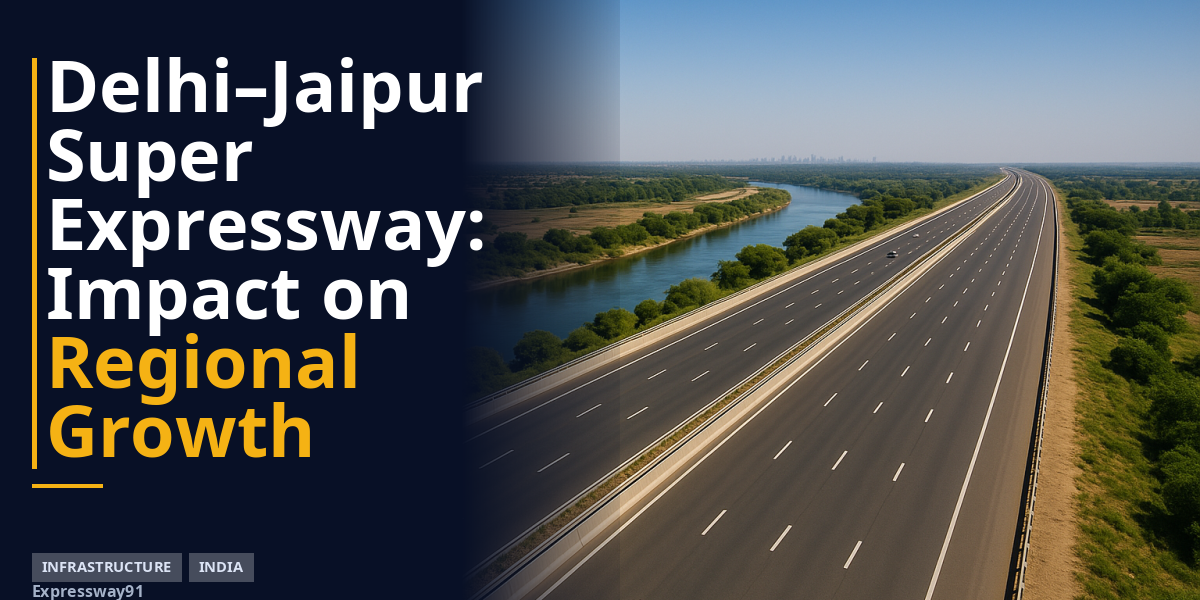
The Delhi–Jaipur Super Expressway is poised to significantly influence the regional economy and connectivity between two of India’s major urban centers. Spanning approximately 195 kilometers from Kherki Dhaula Toll in Gurgaon to Chandwaji in Jaipur, this expressway aims to enhance travel efficiency and promote economic activities in the surrounding areas. With a completion target set for 2030, the expressway is designed to accommodate four lanes, facilitating smoother traffic flow and reducing travel time between these bustling cities.
Current Status and Progress
As of now, the expressway is still under development, with its completion percentage yet to be officially published. However, the anticipated impact of this infrastructure project is already a topic of discussion among urban planners, economists, and local businesses.
Key Features of the Delhi–Jaipur Super Expressway
- Route: Kherki Dhaula Toll, Gurgaon to Chandwaji, Jaipur
- Length: 195 km
- Lanes: 4
- Target Completion: 2030
Economic Impact
The Delhi–Jaipur corridor is expected to have a ripple effect on the local economy. Here are some key areas where the expressway is likely to contribute:
1. Enhanced Trade Opportunities
The expressway will significantly reduce travel time between Delhi and Jaipur, encouraging trade and commerce. Businesses in these cities will benefit from quicker transportation of goods, leading to cost savings and increased competitiveness.
2. Real Estate Development
Improved connectivity often leads to increased real estate development along the corridor. As the expressway opens, residential and commercial real estate projects are likely to emerge, attracting investments and creating job opportunities.
3. Increased Tourism
Jaipur, known for its rich heritage, is a popular tourist destination. The expressway will facilitate easier access for tourists traveling from Delhi, thereby boosting local businesses in hospitality, dining, and retail sectors.
Social and Environmental Considerations
While the expressway promises economic growth, it is essential to consider the social and environmental implications:
1. Community Impact
Local communities may experience both positive and negative impacts from the expressway. While job creation is a significant advantage, there could be concerns regarding displacement and changes to local lifestyles.
2. Environmental Concerns
Infrastructure projects like expressways can lead to environmental degradation if not managed properly. It is crucial for authorities to implement sustainable practices during construction and operation to mitigate negative effects.
Comparative Analysis with Other Corridors
To understand the potential impact of the Delhi–Jaipur Super Expressway, it is beneficial to compare it with other major expressways in India:
1. Lucknow Outer Ring (Bypass)
The Lucknow Outer Ring Bypass has improved connectivity around the city, reducing traffic congestion and promoting economic activities in the region. Similar benefits are expected from the Delhi–Jaipur corridor.
2. Varanasi Ring Road (Bypass)
This expressway has been instrumental in enhancing trade and tourism in Varanasi. The Delhi–Jaipur expressway is anticipated to create a similar environment conducive to economic growth.
3. Mumbai–Pune Expressway: Traffic Management Innovations
By implementing advanced traffic management systems, the Mumbai–Pune Expressway has improved travel safety and efficiency. Learning from such innovations can help optimize the Delhi–Jaipur corridor once operational.
Future Prospects
Looking ahead, the successful completion of the Delhi–Jaipur Super Expressway will likely set a precedent for future infrastructure projects in India. The government’s commitment to improving road connectivity reflects an understanding of its critical role in fostering economic development.
Government Initiatives
Government agencies like the National Highways Authority of India (NHAI) are working diligently to ensure timely completion of the expressway. Supportive policies and funding allocations will be vital to achieving the target by 2030.
Frequently Asked Questions (FAQs)
1. What is the expected completion date for the Delhi–Jaipur Super Expressway?
The expressway is targeted for completion by 2030.
2. How will the expressway impact local businesses?
The expressway is expected to enhance trade opportunities, improve accessibility for tourists, and stimulate real estate development, all contributing positively to local businesses.
3. Are there any environmental concerns associated with the expressway?
Like many infrastructure projects, there are potential environmental impacts that need to be managed through sustainable practices during construction and operation.
4. What are the lanes planned for the expressway?
The Delhi–Jaipur Super Expressway is designed to have four lanes.
5. How does this expressway compare to other expressways in India?
The expressway is expected to provide similar benefits as other successful corridors, including enhanced connectivity, economic growth, and improved trade.
Conclusion
The Delhi–Jaipur Super Expressway represents a significant step toward enhancing connectivity and economic growth in the region. As it progresses toward completion, stakeholders must ensure that the benefits are maximized while addressing any associated challenges. To explore live corridor data and stay updated on the latest developments, visit Expressway91.
Infrastructure analysts tracking India's expressway network, industrial corridors, and investment zones since 2020. Data sourced from NHAI, MoRTH, UPEIDA and official project reports.
Leave a Reply