
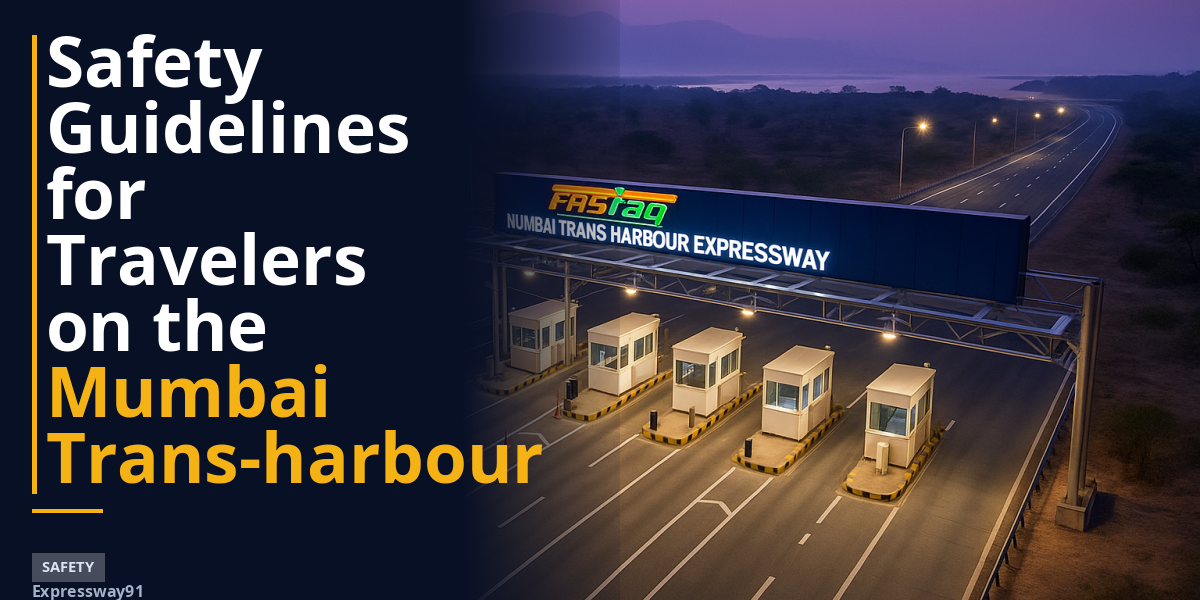
Traveling on the Mumbai Trans-harbour can be a rewarding experience, offering stunning views and a vital connection between the city and its outskirts. However, ensuring your safety during this journey is paramount. This guide provides essential Mumbai Trans-harbour safety tips that will help you navigate the route securely and confidently, whether you’re commuting for work or leisure.
What You Need
- Valid vehicle registration and insurance
- Emergency contact numbers
- First-aid kit
- Map or GPS device
Step 1: Prepare Your Vehicle
Before heading out, ensure your vehicle is in optimal condition. Check tire pressure, fluid levels, and brakes. A well-maintained vehicle reduces the risk of breakdowns while traveling. Pro Tip: Carry a spare tire and necessary tools for minor repairs.
Step 2: Plan Your Route
Familiarize yourself with the route on the Mumbai Trans-harbour. Utilize GPS or maps to identify any potential traffic hotspots or construction areas. Knowing your path helps avoid unnecessary delays. Pro Tip: Check live traffic updates on apps like Google Maps for real-time information.
Step 3: Adhere to Speed Limits
Observe the posted speed limits throughout the Mumbai Trans-harbour. Speeding increases the likelihood of accidents. Drive at a safe pace to maintain control of your vehicle. Pro Tip: Use cruise control on long stretches to help maintain a steady speed.
Step 4: Stay Alert and Avoid Distractions
While driving, remain vigilant and avoid distractions such as mobile phones or loud music. Focus on the road and other vehicles to respond quickly to any hazards. Pro Tip: Use hands-free devices if you must take calls.
Step 5: Use Seat Belts
Always wear your seat belt, and ensure all passengers do as well. Seat belts are essential in reducing injury during an accident. Pro Tip: Remind passengers to buckle up before you start driving.
Step 6: Be Cautious During Adverse Weather
In case of rain or fog, drive slowly and maintain a safe distance from other vehicles. Reduced visibility can lead to accidents, so adjust your speed accordingly. Pro Tip: Use headlights during low visibility conditions to enhance your visibility to others.
Step 7: Know Emergency Procedures
In the event of a breakdown or accident, know the appropriate emergency procedures. Have emergency contact numbers handy, including roadside assistance. Pro Tip: Keep a reflective triangle in your vehicle to alert other drivers in case of a breakdown.
Step 8: Follow Traffic Signals and Signs
Abide by all traffic signals and road signs to ensure a smooth and safe journey. Ignoring signals can lead to collisions and fines. Pro Tip: Use indicators well in advance to signal your intentions to other drivers.
Common Mistakes to Avoid
- Ignoring vehicle maintenance
- Overlooking traffic rules
- Driving while fatigued or distracted
- Not carrying essential emergency supplies
Pro Tips
- Consider using a dashcam for added security and evidence in case of an incident.
- Join local driving forums to stay updated on road conditions and safety tips.
- Invest in a reliable roadside assistance plan for peace of mind.
FAQ
What should I do if I encounter an emergency on the Mumbai Trans-harbour?
Pull over safely, turn on your hazard lights, and call for roadside assistance or emergency services if needed.
Are there any tolls on the Mumbai Trans-harbour?
Yes, be prepared to pay tolls as per the designated rates. Keep change or a fast tag handy for a smoother experience.
Can I travel on the Mumbai Trans-harbour at night?
Yes, but it’s advisable to take extra precautions, such as ensuring your vehicle’s lights are functional and staying alert for pedestrians and cyclists.
How can I stay informed about road conditions?
Check local news, traffic apps, or the official NHAI website for updates on road conditions and alerts.
By following these Mumbai Trans-harbour safety tips, you can ensure a secure and enjoyable journey. Always stay prepared and informed. For more information on infrastructure and expressways, consider exploring other routes like the Haldia–Raxaul Expressway.
Infrastructure analysts tracking India's expressway network, industrial corridors, and investment zones since 2020. Data sourced from NHAI, MoRTH, UPEIDA and official project reports.
Leave a Reply