
Introduction
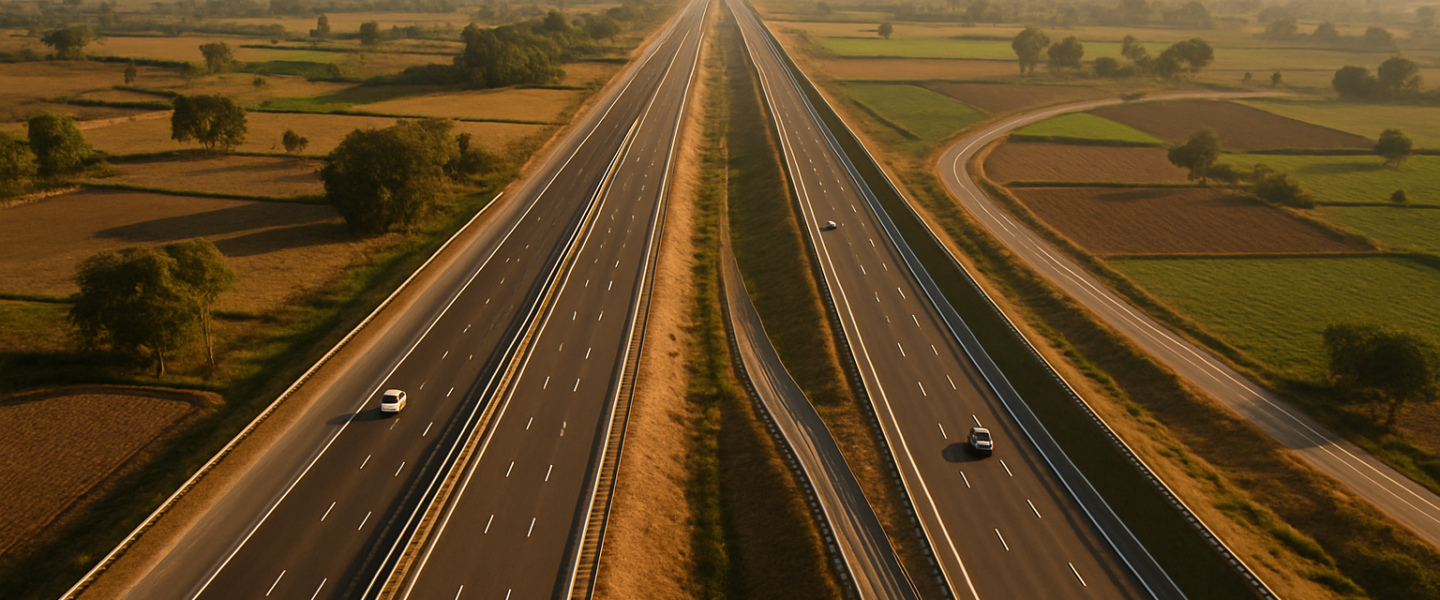
The Eastern and Western Peripheral Expressways serve as crucial components in enhancing traffic flow around Delhi. These expressways aim to reduce congestion within the city while facilitating smoother transit for vehicles traveling through the National Capital Region (NCR). Understanding their differences is vital for commuters, logistics companies, and urban planners alike.
| Attribute | Eastern Peripheral Expressway | Western Peripheral Expressway |
|---|---|---|
| Length | Approx. 135 km | Approx. 83 km |
| Inauguration Year | 2018 | 2018 |
| Connecting Cities | Palwal, Greater Noida | Rohini, Manesar |
| Traffic Type | Heavy commercial and local traffic | Heavy commercial and tourist traffic |
| Toll Structure | Distance-based | Fixed rate |
Eastern Peripheral Expressway
Pros
- Reduces traffic congestion in Delhi by providing an alternate route.
- Supports heavy commercial vehicles, enhancing freight efficiency.
- Equipped with advanced traffic management systems.
Cons
- Longer in distance compared to the Western Peripheral Expressway.
- Higher maintenance costs due to increased traffic load.
The Eastern Peripheral Expressway is ideal for heavy commercial traffic and long-distance travel, making it a preferred choice for logistics companies operating in the NCR.
Western Peripheral Expressway
Pros
- Shorter length, leading to reduced travel time.
- Fixed toll rates simplify cost estimation for commuters.
- Connects major tourist spots, making it beneficial for travelers.
Cons
- May experience congestion during peak tourist seasons.
- Not as optimized for heavy commercial traffic.
The Western Peripheral Expressway is preferable for travelers and light commercial vehicles, offering a quicker route for those heading to destinations in the western regions of NCR.
Which One Should You Choose?
If your primary goal is to transport goods and you require a reliable route for heavy vehicles, the Eastern Peripheral Expressway is your best option. However, if you’re a traveler looking for speed and convenience, particularly during off-peak hours, the Western Peripheral Expressway will serve you better.
FAQ
What is the primary purpose of these expressways?
Both expressways aim to alleviate traffic congestion in Delhi by providing alternate routes for vehicles, thereby improving overall traffic flow in the NCR.
Are there any toll fees associated with these expressways?
Yes, both expressways have tolls, but their structures differ: the Eastern Peripheral Expressway uses a distance-based toll system, while the Western Peripheral Expressway has a fixed toll rate.
Can I find information about these expressways online?
Yes, detailed information can be found on official government websites like NHAI and MoRTH.
Conclusion
In conclusion, both the Eastern and Western Peripheral Expressways play significant roles in improving Delhi’s traffic flow, each catering to different needs. For more details on related infrastructure, check out the Nashik Freeway Bypass or the Hyderabad–Indore corridor. Choose the expressway that aligns with your travel or transportation needs.
Infrastructure analysts tracking India's expressway network, industrial corridors, and investment zones since 2020. Data sourced from NHAI, MoRTH, UPEIDA and official project reports.
Leave a Reply